I was responsible for the CFX shotwork for four shots in Bad Guys 2. The first two shots involved cloth simulation that had to be finaled to achieve the correct motion appeal according to the CFX Lead, as well as finaling the ropes to move with the character, and go taut as they pull away. This was achieved with some custom wraps and keyframing soft transforms to hit specific poses. For the button press shot, I animated the button and simulated the glove CFX, as well as the contact point when pushing the button. For the final shot, I simulated the CFX for all the crowd characters, ensuring that the simulations were stable, peripherals reacted to the character movement nicely, and the character's jerky movements didn't reveal anything that shouldn't be. This was accomplished with carefully animated constraints to pin the clothes to the motion at the correct times.
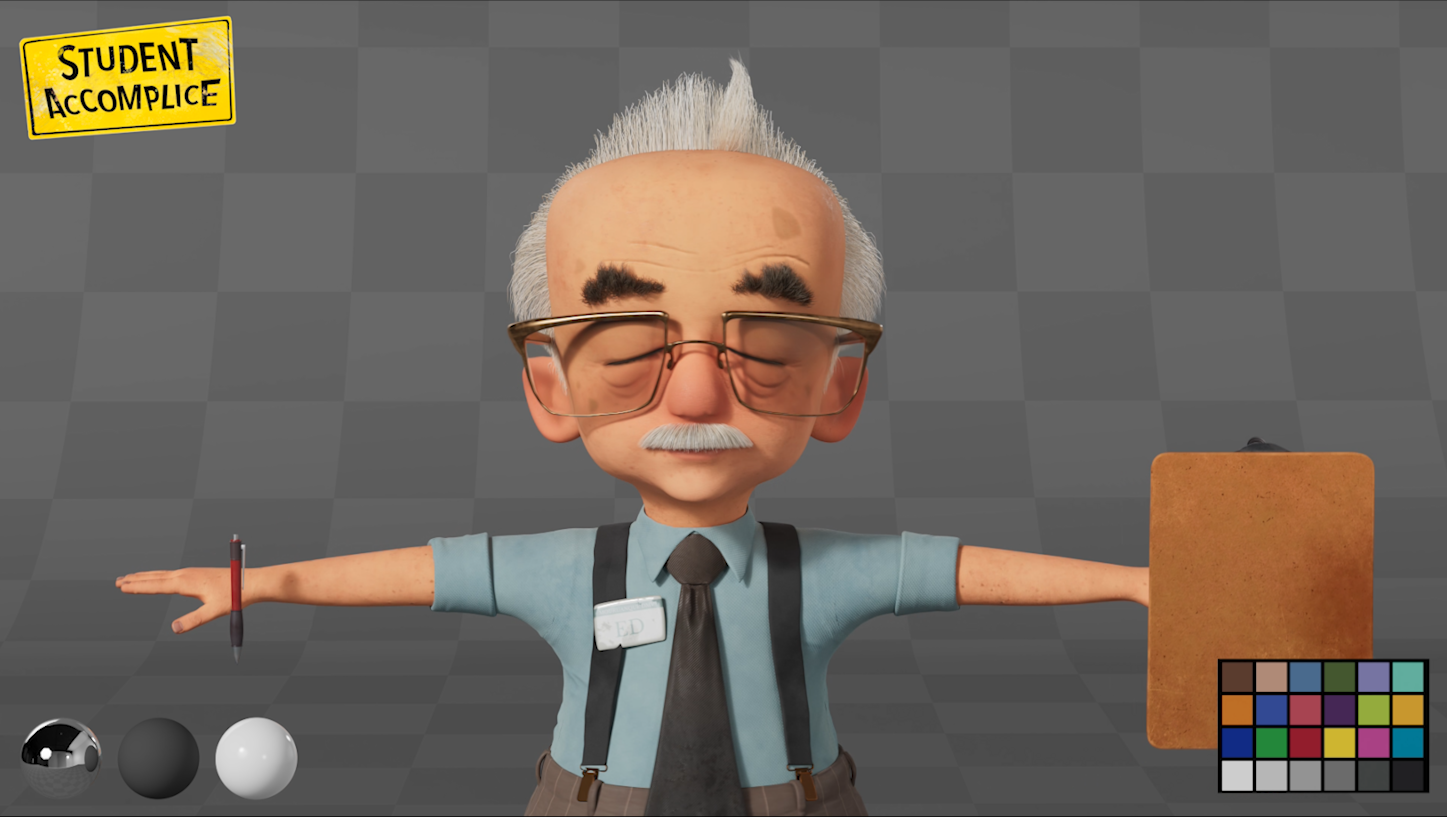
Student Accomplice was my graduating class's senior film project. We had around 30 students working on it, which was an incredible experience. I learned so much about how to handle a full production pipeline and how to work with other artists. I was responsible for Ed's groom, and simulation setups for the clothes and the hair. I packaged the tools into an HDA that can run shots with the click of a button, and scripts to automate that process for the shots that need it. Iterating on tools for other artists taught me how to make robust tools that don't fail under the strain of the requirements of a film.
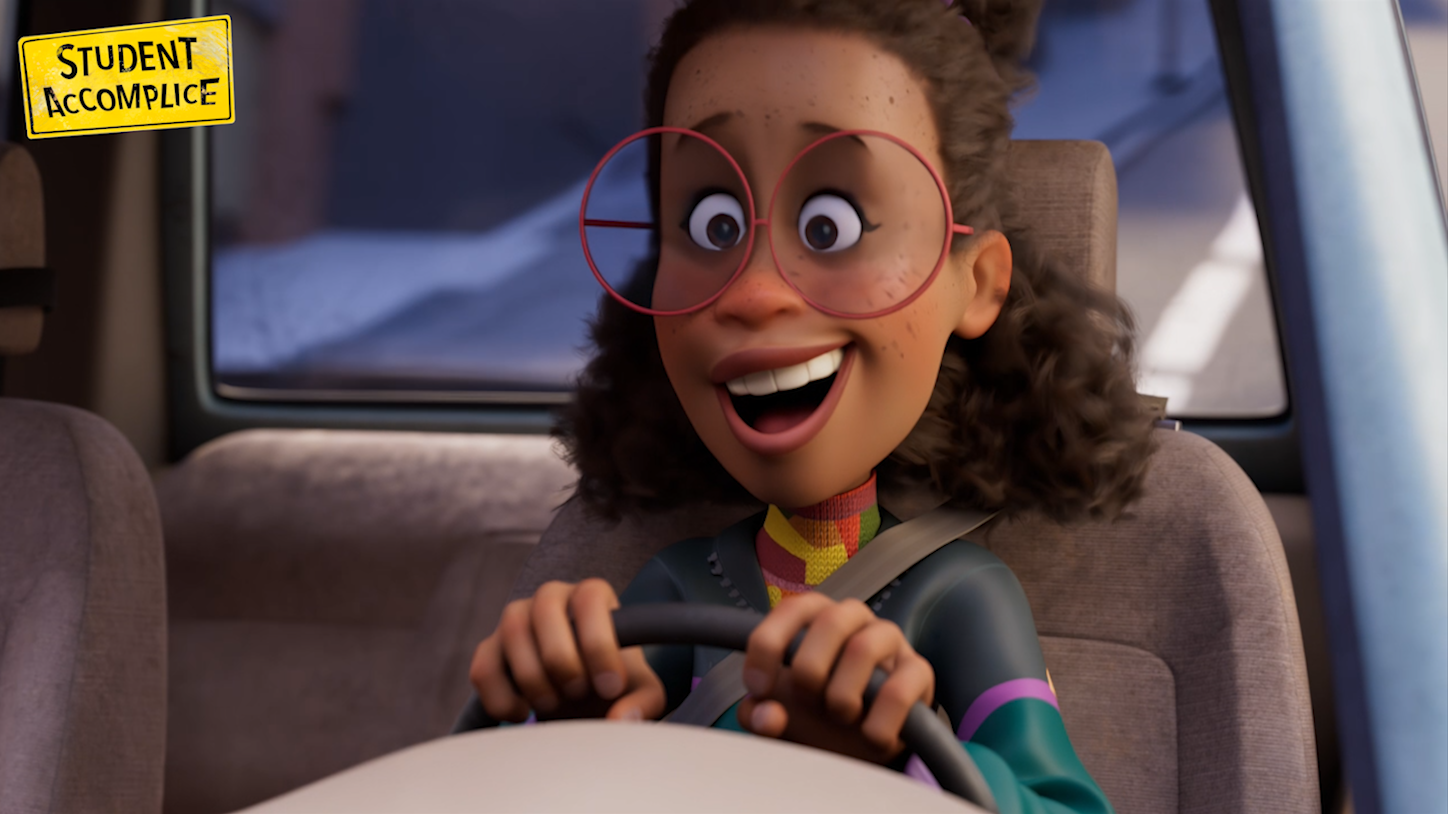
I tackled the problem of a seatbelt for my student film, which ended up being a very difficult challenge. I iterated on the design many times and ended up with a hybrid procedural and simulated method. I constructed a "convex slice" along the seatbelt plane, that started by the headrest, went down the body, and into the base of the seat. With some vdb manipulation to reduce clipping, this was the procedural base. I then ran a full vellum sim on the seatbelt to get more accurate collisions and physical interaction with the character. I streamlined the multi-step process into a single button that ran all the caches sequentially and added lots of parameters for fine-tuning and tweaking the simulation. It was a difficult process, but I was happy with the results, and the tool was used in dozens of shots in the film.
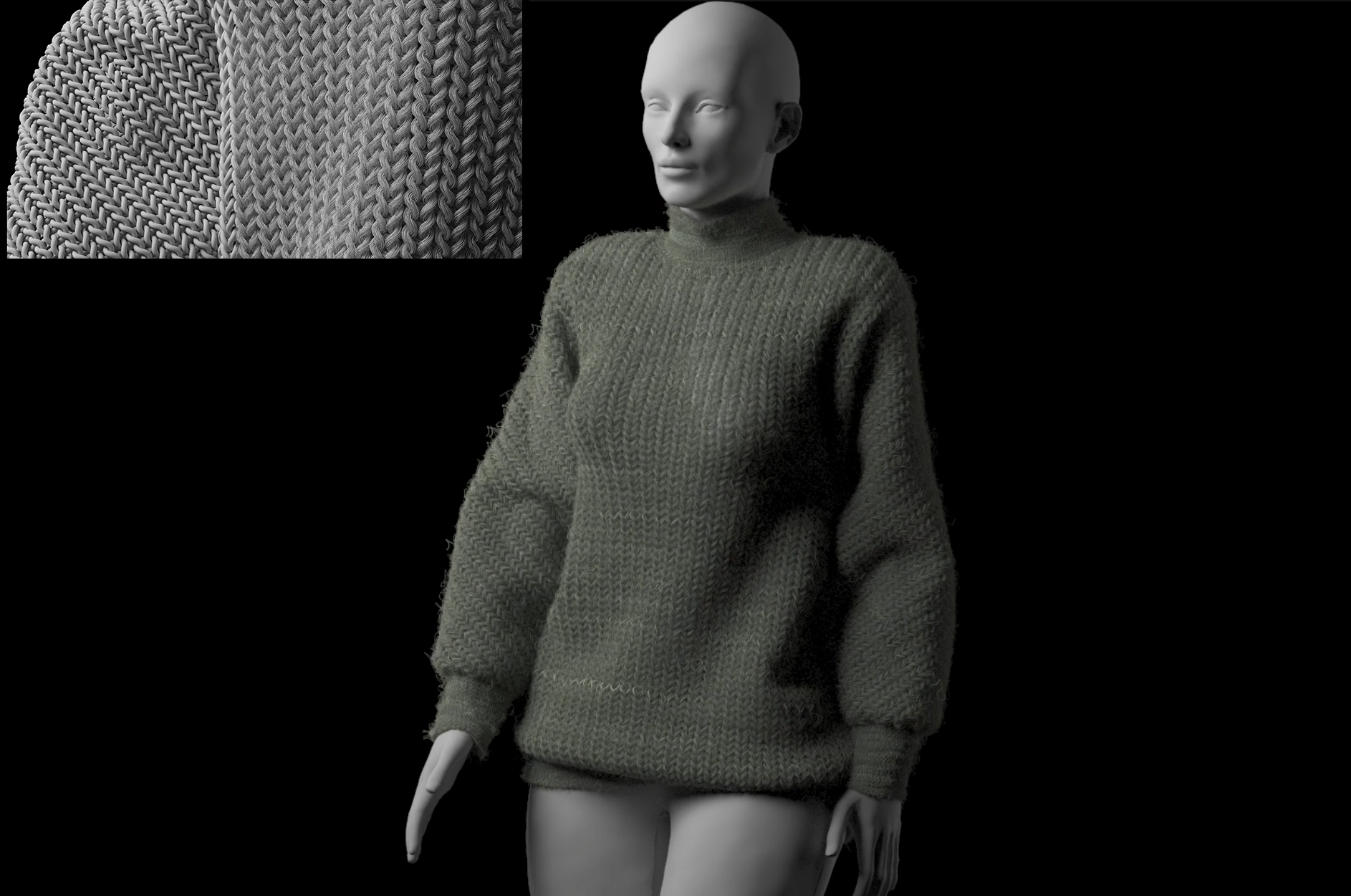
This was created largely to demonstrate the capabilities of the Tubes to Curves HDA that I created. The simulation was done with Vellum, and was designed to have the same weight and feel as a thick, knitted sweater. I also developed a helpful tool that automatically finds the correct stitching loops for the Vellum Drape toolset. The fabric is simulated as cloth, which is passed through a system that copies knit loops across the surface based on the UVs of the fabric. These loops are passed through the Tubes to Curves HDA that I created and some frizz and flyaways are added to get the final look. The final render is 100% curves, with only basic point color noise modifying the material.
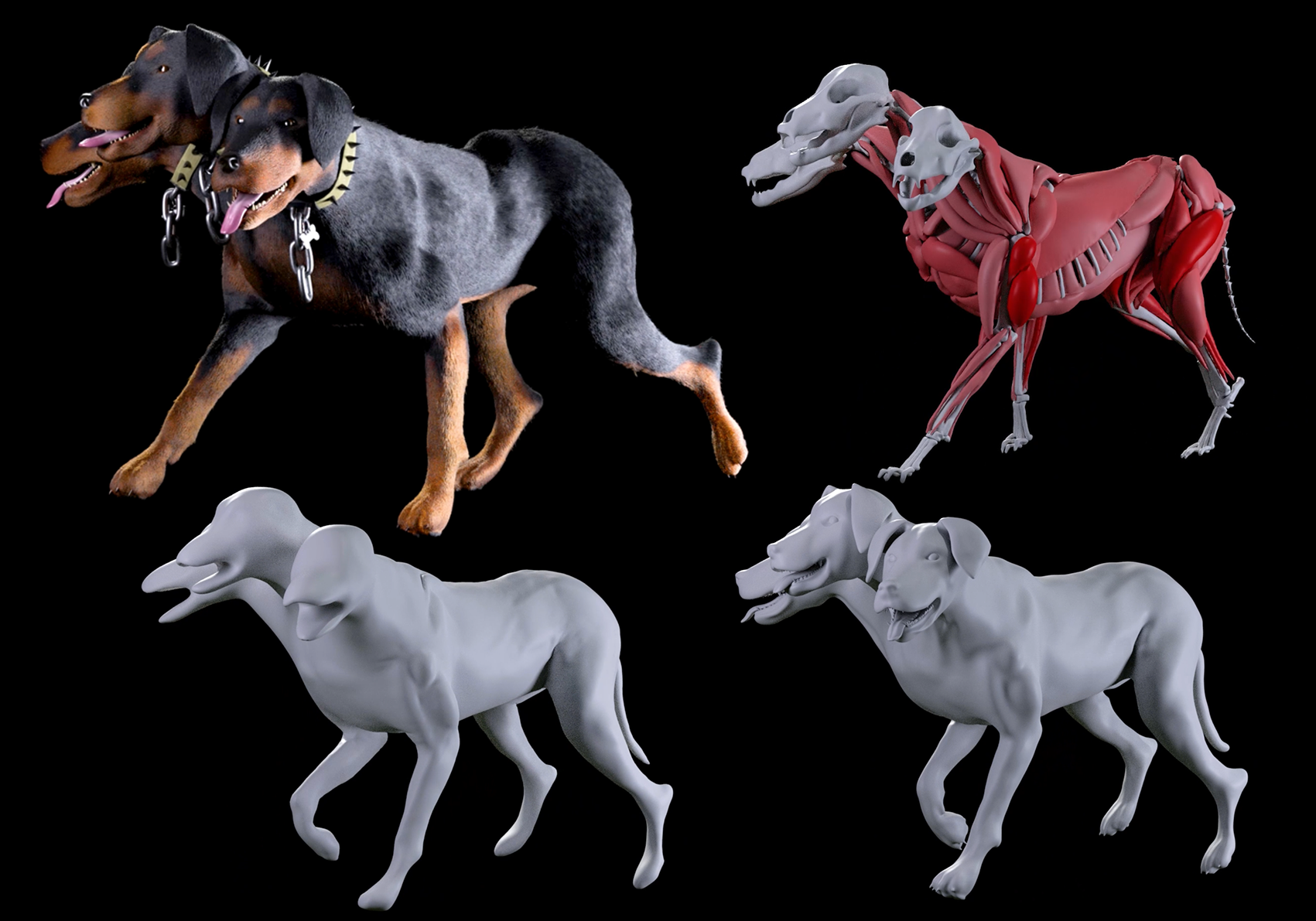
This project was done with the goal to make a CG three-headed dog, Cerberus, using Houdini Vellum's new(ish) muscle simulation tools. The skeleton was extracted from a CT scan and split, cleaned, and retopologized in ZBrush. I rigged and animated the skeleton in Maya. The muscles and skin and final mesh were made in ZBrush. The muscle simulation was set up with tension lines driving the mucle contraction and expansion, and the tissue and skin layers were simulated on top of that as tetrahedral simulations. The groom was done in Houdini and driven by the underlying skin. The collar was a mix of Vellum cloth and rigid body dynamics. Everything was textured in Substance Painter, rendered in Karma XPU.